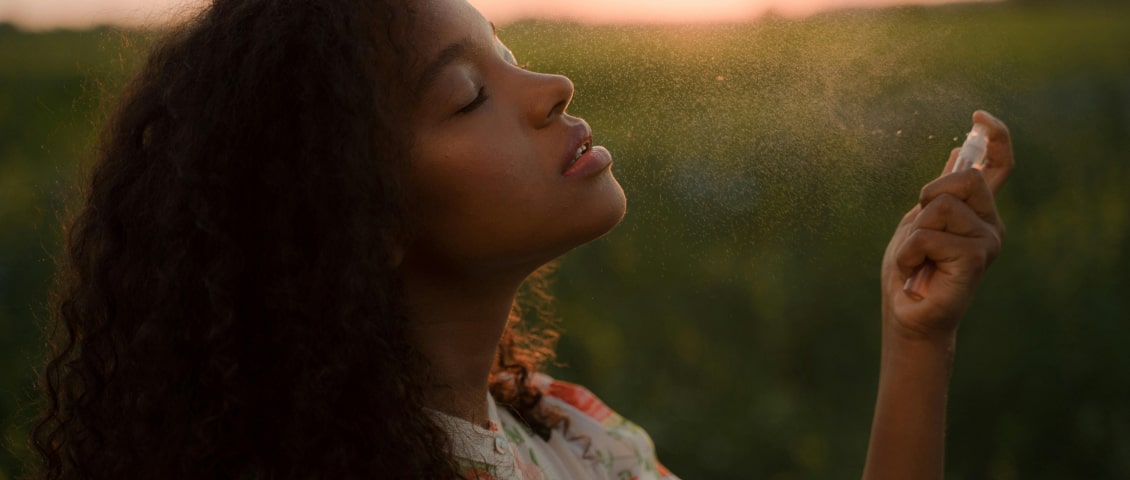
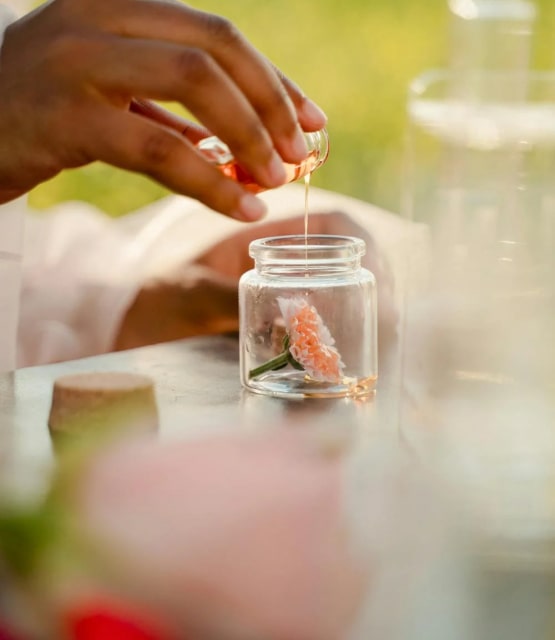
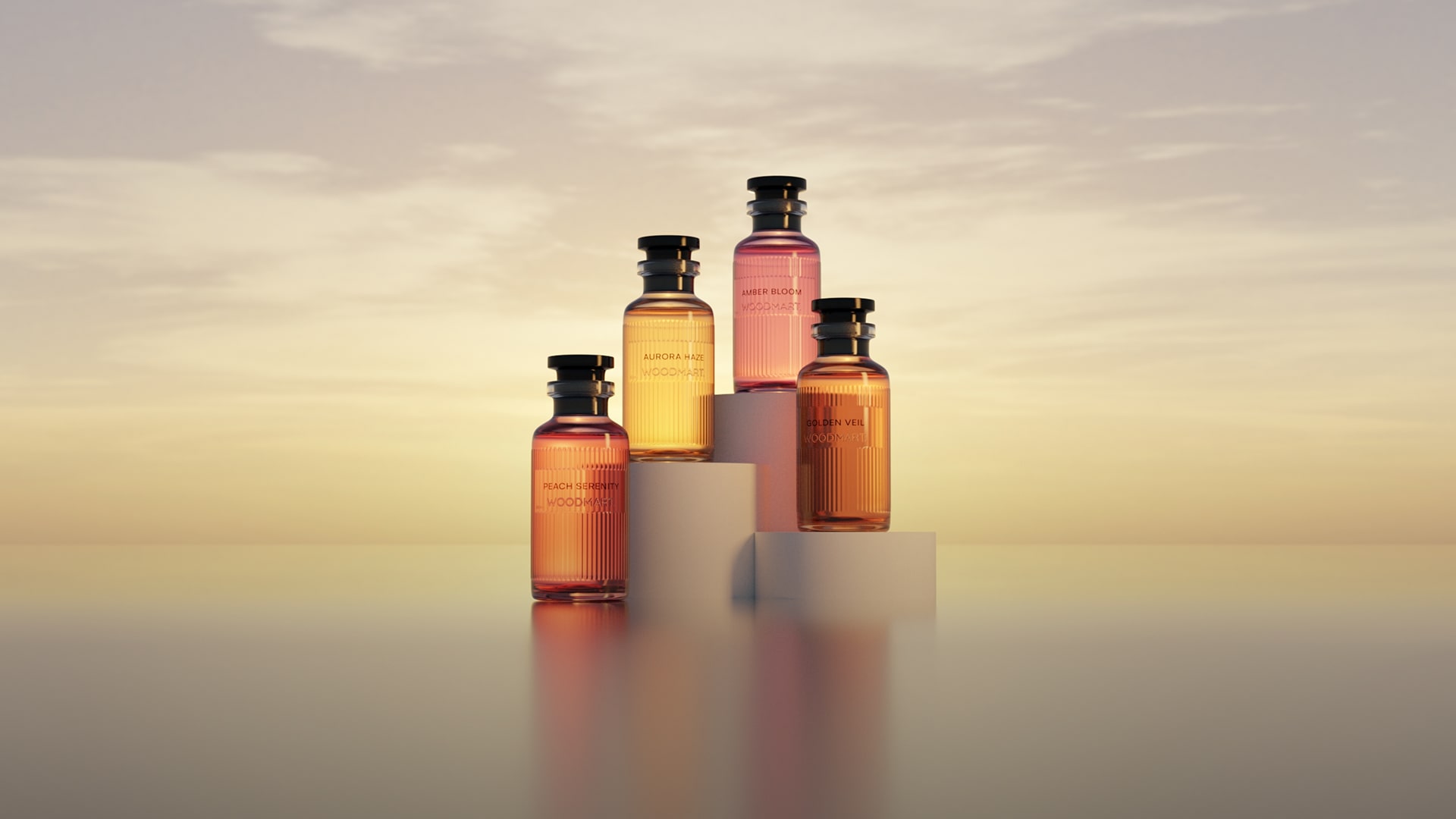
For centuries, fragrance has been woven into daily life across the Arabian Peninsula. It is offered to guests as a gesture of welcome, layered before prayer, and worn as a quiet signature of who we are. In this part of the world, perfume is never an afterthought — it is a ritual passed from one generation to the next.
A heritage carried on the wind
Long before perfume was bottled, Arabian homes were scented with bakhoor — fragrant wood chips soaked in oils and burned over coals so the smoke could perfume clothes, hair, and gathering rooms. Travelling merchants carried attar, precious oil-based perfumes pressed from flowers and resins, along the spice routes that linked Arabia to India and the East.
These traditions shaped a distinctive idea of what perfume should be: deep, warm, and lasting — a scent that announces itself softly and stays close to the skin for hours.
The ingredients of a region
At the heart of Arabian perfumery sits oud, the dark, smoky resin of the agarwood tree, prized above almost any other material. Around it gather the great classics — rose for romance, musk for softness, amber for golden warmth, and sandalwood for its creamy calm. Blended with patience, these notes create the richness the region is known for.
Tradition, made for today
Uno Perfumes was created to carry this heritage forward without losing its soul. Each fragrance is composed in the Arabian tradition — generous, long-lasting, and unmistakably personal — yet designed for the pace of modern life, and offered in sizes for every moment, from a 2 ml sample to a full 100 ml bottle.
To wear a Uno fragrance is to take part in something far older than fashion. It is the art of Arabic perfumery, bottled for a new generation.